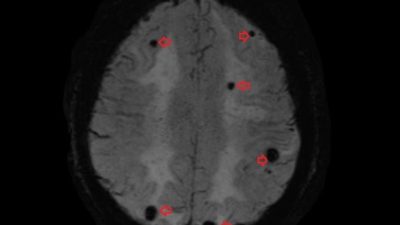
Exclusive Discounts on Prescription Drugs for Cancer Treatment highlight a crucial initiative aimed at alleviating the financial burden faced by patients battling cancer. With the rising costs of medication, these discounts represent a vital resource for ensuring that patients have access to necessary treatments without compromising their financial stability. By understanding the mechanisms behind these discounts, patients and caregivers can navigate the healthcare system more effectively.
In a world where healthcare costs are a significant concern, especially for chronic illnesses like cancer, exclusive discounts offer hope and relief. These programs can substantially reduce the out-of-pocket expenses associated with prescription drugs, ultimately improving treatment adherence and patient outcomes. As such, they play a pivotal role in making cancer care more accessible and equitable.
Climate change is one of the most pressing challenges facing our planet today. It affects various aspects of the environment, but one of the most significant impacts is on biodiversity. Biodiversity refers to the variety of life found on Earth, encompassing the diversity of species, ecosystems, and genetic variations within species. This article explores the multifaceted relationship between climate change and biodiversity, highlighting the consequences, adaptations, and conservation strategies necessary to mitigate these effects.
Understanding Climate Change
Climate change is primarily driven by the increase of greenhouse gases in the atmosphere, largely due to human activities such as fossil fuel combustion, deforestation, and industrial processes. The resulting rise in global temperatures leads to various environmental changes, including altered precipitation patterns, increased frequency and severity of extreme weather events, and rising sea levels. These changes create a challenging environment for ecosystems and the species that inhabit them.
The Importance of Biodiversity: Exclusive Discounts On Prescription Drugs For Cancer Treatment
Biodiversity is crucial for the health of ecosystems and, by extension, human well-being. Diverse ecosystems provide numerous services, including:
- Provisioning Services: These include the supply of food, fresh water, and raw materials.
- Regulating Services: Biodiversity helps regulate climate, air quality, and water quality, among other factors.
- Supporting Services: Ecosystem functions such as nutrient cycling and soil formation are dependent on biodiversity.
- Cultural Services: Many cultures derive significant meaning and identity from their natural environments.
Thus, the loss of biodiversity due to climate change poses a significant risk to the resilience of ecosystems and the services they provide.
Effects of Climate Change on Biodiversity
The consequences of climate change on biodiversity are extensive. They can be categorised into direct and indirect effects:
Direct Effects
Direct effects of climate change on species include:
- Habitat Loss: As temperatures rise, many species are losing their natural habitats. For instance, polar ice habitats are diminishing, impacting species like polar bears and seals.
- Phenological Changes: Species are experiencing shifts in their life cycles. For example, many plants are blooming earlier due to warmer temperatures, which can disrupt the synchrony between species that depend on each other.
- Range Shifts: Many species are moving to higher altitudes or latitudes in search of suitable climate conditions. This can lead to overcrowded ecosystems and increased competition.
- Increased Extinction Risk: Some species are unable to adapt or migrate, leading to increased extinction rates, especially among specialised species with limited ranges.
Indirect Effects
Indirect effects of climate change include:
- Altered Ecosystem Dynamics: Changes in the climate can disrupt food webs and species interactions. For instance, a decline in one species can have a cascading effect throughout the ecosystem.
- Pest and Disease Spread: Warmer temperatures can expand the range of pests and diseases, affecting both wildlife and human populations.
- Invasive Species: Climate change can facilitate the spread of invasive species, which can outcompete native species and alter ecosystem functions.
Species Vulnerability and Adaptation
Not all species respond to climate change in the same way. Factors such as genetic diversity, reproductive strategies, and ecological interactions play a significant role in determining a species’ vulnerability or resilience. Some species may adapt through phenotypic plasticity, while others may rely on genetic changes over time.
Examples of species that have shown resilience include:
- Coral Reefs: Some corals are adapting to warmer waters by altering their symbiotic relationships with algae.
- Birds: Certain bird species have shifted their migratory patterns in response to climate changes, allowing them to exploit new resources.
However, the rate of change is often too rapid for many species to adapt effectively, leading to population declines and extinctions.
Conservation Strategies
To mitigate the impacts of climate change on biodiversity, various conservation strategies must be employed. These include:
Protected Areas, Exclusive Discounts on Prescription Drugs for Cancer Treatment
Establishing and effectively managing protected areas is crucial for conserving biodiversity. These areas can serve as refuges for species unable to adapt to changing climates. It is essential that protected areas are connected to allow for species migration.
Sustainable Land Use
Implementing sustainable land-use practices can help reduce habitat destruction and fragmentation. Practices such as agroforestry and sustainable logging can support both biodiversity and local communities.
Restoration Ecology
Restoration projects aimed at rehabilitating degraded ecosystems can enhance biodiversity and resilience. This includes reforestation, wetland restoration, and the removal of invasive species.
Climate Change Mitigation
Reducing greenhouse gas emissions is critical for addressing climate change. Strategies include transitioning to renewable energy sources, improving energy efficiency, and promoting sustainable transportation.
Community Engagement and Education
Engaging local communities in conservation efforts is vital for the success of biodiversity initiatives. Education and awareness-raising can foster a sense of stewardship, leading to sustainable practices at the local level.
Conclusion
The relationship between climate change and biodiversity is complex and multifaceted. As climate change continues to threaten species and ecosystems worldwide, it is imperative that we implement effective conservation strategies and work collaboratively to mitigate its impacts. The future of biodiversity—and indeed, the health of our planet—depends on our ability to respond to these challenges with urgency and innovation.


References
1. Intergovernmental Panel on Climate Change (IPCC). (2021). Climate Change 2021: The Physical Science Basis.
2. United Nations Environment Programme (UNEP). (2022). Global Biodiversity Outlook 5.
3. Thomas, C. D., et al. (2004). Extinction risk from climate change.
Nature, 427(6970), 145-148.
4. Parmesan, C., & Yohe, G. (2003). A globally coherent fingerprint of climate change impacts across natural systems. Nature, 421(6918), 37-42.
In summary, Exclusive Discounts on Prescription Drugs for Cancer Treatment are essential tools in the fight against cancer, offering financial relief and improved access to vital medications. As these initiatives continue to evolve, it is crucial for patients to stay informed about available options and navigate the complexities of the healthcare landscape. Empowering individuals with knowledge of these discounts can lead to better treatment decisions and improved quality of life for those affected by cancer.
Frequently Asked Questions
What types of discounts are available for cancer medications?
Discounts can vary widely, including manufacturer coupons, patient assistance programs, and pharmacy discount cards that lower the price of medications.
Who is eligible for prescription drug discounts for cancer treatment?
Eligibility often depends on income level, insurance status, and the specific program’s requirements, with many designed to assist uninsured or underinsured patients.
How can patients find these discounts?
Patients can discover discounts by consulting healthcare providers, visiting drug manufacturer websites, or utilizing online platforms dedicated to medication savings.
Are these discounts applicable to all cancer medications?
Not all medications may qualify for discounts; it is essential to check specific programs and eligibility criteria for each drug.
How often do these discount programs change?
Discount programs can change frequently, so it is advisable for patients to regularly check for updates or new offers available through healthcare providers or pharmacies.